
The Way of Tea: Exploring the History & Ritual of Japanese Tea Ceremony
Few ceremonies evoke an image of traditional Japan as well as the Japanese tea ceremony. As guests quietly sit on a tatami mat floor of a tea house, they are served a delicate seasonal sweet, almost too beautiful to eat. An elegantly dressed host in kimono, usually a woman, but sometimes a man, quietly enters and begins a rhythmic ritual of preparing and serving matcha tea to their guests. The entire ceremony takes place in relative silence.
Table of Contents
- A Deeper Look into the World Beyond the Ritual
- The Origin of Japanese Tea Ceremony
- Evolution of Tea Ceremony in Japan
- Tea Ceremony in the Modern Age
- Components of Authentic Tea Ceremony
- How to Be a Good Participant in Tea Ceremony
- Experience the Japanese Tea Ceremony First-Hand: Our Curated Excursions in Kyoto
- How To Enjoy Tea Ceremony in Japan
- Frequently Asked Questions
Key Takeaways
Here are a few essentials to keep in mind before your first tea ceremony:
The Japanese tea ceremony is more than a quiet ritual: it has long been a social, cultural, and historically political practice in Japan.
Tea arrived from China in the 9th century, but Japan developed its own distinctive tea culture, “The Way of Tea” over centuries, with matcha at its heart.
Tea ceremony is grounded in the idea that everyone in the tea room is equal; respect and appreciation flow both ways between host and guests.
A first tea ceremony can feel intimidating, but it becomes far more enjoyable once you relax into it as a social experience, not a performance.
A Deeper Look into the World Beyond the Ritual
This stereotypical view of Japanese tea ceremony glosses over many of the important nuances of the art, yet many visitors to Japan attend a tea ceremony expecting precisely that. In reality, Japanese tea ceremony has held a high position as a social, political and sometimes spiritual event in Japanese culture. Far from the somber atmosphere that many people imagine, tea ceremony was an activity to be enjoyed with peers and often among close friends. Let's take a deeper look at the history of tea ceremony and how it became such a unique part of Japanese culture.
The Origin of Japanese Tea Ceremony
Like many things in Japan, tea ceremony was introduced as a practice from another country and transformed into something uniquely Japanese. Tea was first brought to Japan from China in the 9th century, a bit after the time Buddhism was imported to Japan. The monk Eichu brought sencha (green tea leaves) from China and prepared it for the Emperor Saga, who became such a fan that he decreed that tea should be grown domestically on tea plantations.
From that point, the interest in tea was tepid at best, until the 12th century when another Buddhist monk, Eisai introduced another method of tea preparation from China called tencha, which used powdered tea and was the predecessor to matcha. Within the next century, tea parties for the warrior class using matcha became popular social events, giving birth to the concept of the tea ceremony.
Photo: Todd Fong
The popularity of matcha eventually led tea culture to be centered around Kyoto in the Muromachi Period (16th century), particularly the area now known as Uji which at that time grew the highest quality of Japanese green tea. Agricultural advancements were made here that further improved the taste of the tea, and even today, Uji is widely considered the region that produces the best quality matcha tea.
Evolution of Tea Ceremony in Japan
Until the late 16th century, drinking tea at tea gatherings largely remained an activity enjoyed only by the upper class. Tea parties were an opportunity to show off one's wealth by using rare and beautiful instruments to make and serve tea and to build extravagant tea houses to entertain guests. But the rise of one humble man completely turned the idea of tea ceremony on its head; his name was Sen no Rikyu.
Sen no Rikyu was the tea master serving two of Japan's most powerful leaders before the Edo Period: Oda Nobunaga and Toyotomi Hideyoshi. Rikyu believed that tea should be enjoyed by everyone, regardless of class, and with the backing of his powerful benefactors, he changed the practice of tea ceremony to use rustic bowls and other simple instruments that even lower class people could possess, and made the concept of wabi sabi, or perfection in imperfection, one of tea ceremony's main principles. Tea ceremony under Rikyu became known as Sado, “The Way of Tea”.
Photo: Todd Fong
Both Oda Nobunaga and Toyotomi Hideyoshi were dedicated practitioners of tea ceremony, but Toyotomi in particular had ulterior motives for making tea ceremony a popular activity among the samurai class. Toyotomi felt that using the tea house and tea ceremony as a place to build relationships, disputes that might have ended in war could be diffused over the comradery of sharing a bowl of tea. Sen no Rikyu's vision of tea ceremony supported this ideal to the extent that the door of the tea house was made so small that guests would have to enter on their knees and without their swords, a position of humility where everyone in the tea room was an equal regardless of rank.
Tea Ceremony in the Modern Age
The fall of the Shogunate in 1868 made the need for tea ceremony as a political tool obsolete, so why did tea ceremony continue to survive beyond this point? The foremost reason was after Sen no Rikyu's death, the three schools of tea established by his descendants continued to spread the love of tea to the general public, detached from the realm of politics. Combined with Rikyu's democratization of the tea code, people of all classes and backgrounds could enjoy practicing tea using simple objects they had access to. Nearly three centuries later, the practice of tea ceremony was fully engrained in Japanese culture across the nation.
Photo: Todd Fong
During the 20th century, tea ceremony became a common extra-curricular activity in Japanese schools, leading to the rise in the number of women practicing it. Women often enjoyed the holistic aspect of the tea ceremony with other traditional arts, including wearing kimono, creating ikebana (flower arrangements) and calligraphy to decorate the space, and learning the graceful motions required to master the art of tea ceremony. The social aspect of tea gatherings was also appealing to women who used them as opportunities to gather with other women sharing common interests. Today, you'll find that although tea ceremony was originally the realm of men, the majority of tea practitioners are nowadays women.
Components of Authentic Tea Ceremony
Every element of the tea ceremony - from the room to the tools to the tea itself - is carefully chosen to support mindfulness and harmony.
The Tea Room, Garden, and Purpose-Built Spaces
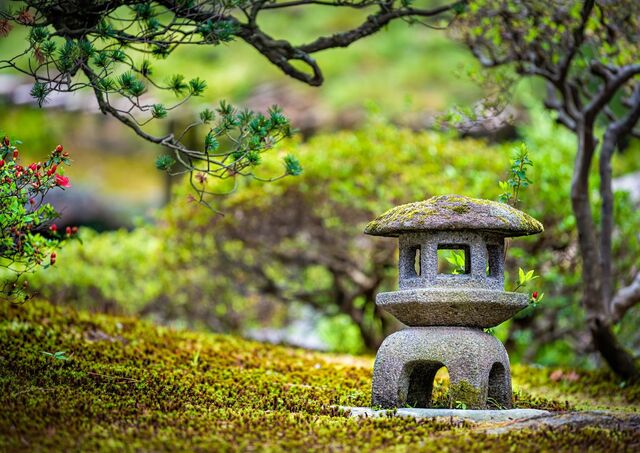
Traditionally, a tea ceremony takes place in a tea room which is often set within a Japanese garden. This is mainly based on tea ceremony's connection with Zen Buddhism; the journey to the tea room should help a person clear their mind of worldly thoughts, so a stroll through the garden helps to facilitate that state of mind. Before entering, guests may purify themselves by washing their hands and rinsing their mouths, reinforcing the idea of leaving the outside world behind.
The tea ceremony is also typically conducted in specially constructed spaces or rooms designed for the purpose, where everything - from the light to the layout - supports calm attention. In the modern age, however, however, a tea ceremony can take place anywhere, and it is not uncommon to see casual tea ceremonies in Japan held outdoors under a tree during cherry blossom season or on folding chairs in the lobby of a local city hall building.
Essential Tools and Natural Materials
The most essential tools for tea ceremony are few. They consist of the chawan (tea bowl), chashaku (tea scoop), chasen (whisk), and natsume (tea caddy for matcha tea powder). Additionally, a traditional tea ceremony will use a kama (iron kettle) heated by a furo (brazier), with the hot water scooped out using a hishaku (ladle). There are other ceramic containers for cold water and rinse water as well as rest for the ladle when not in use. During the ceremony, the host cleanses each utensil in the presence of the guests before preparing the tea - one of the most meditative moments of the ritual.
Based on the code created by Rikyu, the best tools are made from rough natural materials. Prized ceramics used in tea ceremony are earth toned, hand-formed vessels, particularly Bizenyaki from Okayama, Hagiyaki from Yamaguchi, and Minoyaki from Aichi. Whisks, scoops, and ladles are carved from bamboo. The natsume matcha container is usually made from wood covered with red or black lacquer, with Rikyu preferring the latter. More elegant forms of ceramics can also be used in tea ceremony but traditionally, simple was better.
Photo: Todd Fong
Ceremonial Matcha: Usucha vs Koicha
There is only one kind of tea used in tea ceremony: matcha. Matcha is very high quality shade-grown powdered green tea. However, there are two ways matcha can be served in a traditional tea ceremony, usucha and koicha. Usucha is the more commonly served form of matcha, served individually to guests with a lighter flavour - the host serves thin tea to each guest in their own bowl.
Koicha is generally reserved for special occasions, and a single bowl is passed around to be shared by each guest. Its consistency is thick, almost like a matcha paste. Koicha requires more matcha powder to make than usucha and must also be of higher quality to prevent it from becoming too bitter to drink, and is therefore more expensive. The casual participant in tea ceremony would probably not enjoy the taste of koicha, nor sharing a bowl with potential strangers, so it is not a necessary part of your tea experience in Japan.
How to Be a Good Participant in Tea Ceremony
Understanding a few basic customs can transform your experience from awkward to deeply enjoyable.
What to Expect and Entering the Tea Room
Depending on the level of formality of a tea ceremony, the actual events and procedures might not be done in the exact same way. This is a general overview of a standard informal tea ceremony experience that is common for visitors to Japan to try.
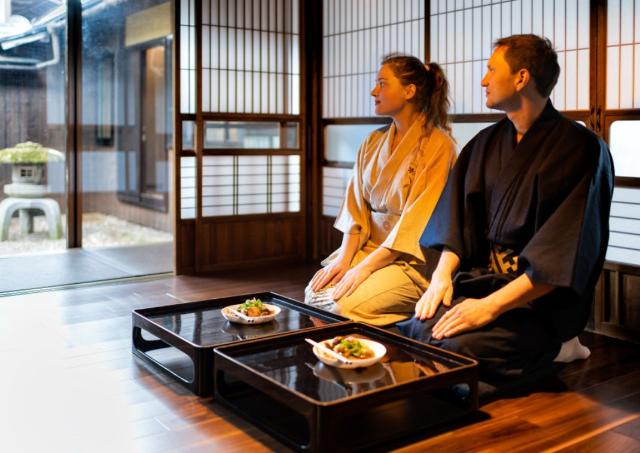
Nearly every tea experience takes place on tatami mats on the floor of a Japanese-style room. You must take off your shoes to enter the room, and you should also not enter barefoot, so be prepared with a pair of socks to put on for the event if you need to (buy a cheap pair at the convenience store if you forget). If the experience is held in a real tea room, you may enter the room through a small door that cannot be entered in a standing position. In this case, you'll enter on your knees and scoot yourself in using your hands.
There will likely be other guests participating with you, possibly strangers, unless you opt for a private tea ceremony. It's good to make friendly small talk and introduce yourself to break the ice. This is primarily a social event, after all!
Photo: Todd Fong
Wagashi Before Tea
Before the tea is served, guests will likely be served wagashi, a beautiful Japanese sweet, usually made with bean paste, but sometimes with other ingredients. You may be tempted to save this sweet treat to eat with your tea in order to balance the sweet and bitter flavours, but the expectation is that you'll eat the wagashi before tea is served. Many Japanese traditionally eat the sweet in three small pieces, and later drink the tea in three sips - small details that add to the ceremony’s quiet sense of rhythm.
The Principal Guest: What it Means
The person sitting closest to where the host will make tea is considered the principal guest. If you have no experience with tea ceremony, it is best to avoid this position, as this guest is sometimes given some extra responsibilities during the tea ceremony. For example, the principal guest is served tea first and the host will wait for the guest to comment on how well the tea was prepared before the other guests are served.
For a large gathering, the principal guest may be the only guest served tea directly from the host, so if you are taking photos or videos of the event, this is your opportunity to capture this aspect. Other group members may be served tea that has already been prepared by assistants to the host in the back room to expedite the process.
Appreciating the Details: Scrolls, Flowers, and Utensils
A number of items in the tea room were likely prepared or selected by your host specifically for this event. They usually include a kakemono (hanging scroll), an ikebana (flower arrangement), an incense box, and perhaps the tea utensils themselves, especially the tea bowl used by the principal guest. The host will explain each of these items and their significance to the guests.
The guests are expected to pay attention to the host, and will then be given an opportunity to inspect some of these items, even picking them up to get a closer look. When you do this, be sure to use both hands and hold the items delicately. If you are wearing rings or other accessories, try not to let these come in contact with the items you are holding. By doing this, you are showing respect for the value of the property of your host.
Respect and Gratitude: Bowing, Engagement, and Etiquette
The most important thing to remember about tea ceremony is that essentially everyone is equal in the tea room. This means that guests and hosts are at the same level, and although the host will go to extraordinary measures to make the experience enjoyable for their guests, the guests are also expected to reciprocate by showing their appreciation to the host.
This can be as simple as bowing to the host at key moments, staying engaged with what is going on, and treating even those serving you with respect and gratitude. Also, making a slurping sound when finishing the tea indicates that the guest has enjoyed it and finished drinking. Many tea ceremony experiences allow you to take photos or videos during the event, but don't let that become such a distraction that you cannot engage with your host and fellow guests.
Experience the Japanese Tea Ceremony First-Hand: Our Curated Excursions in Kyoto
Reading about tea ceremony is one thing - experiencing it in an authentic setting is something entirely different. Whether you’re travelling as a couple, with family, or enjoying Japan at a slower, more refined pace, Japanspecialist’s carefully selected tea ceremony experiences offer immersive moments of culture, beauty, and connection.
Each experience is designed around a different travel style, so you can choose the one that matches best, and add it to your tailor-made journey.
For curious travellers seeking an authentic introduction - Authentic Kyoto Tea Ceremony in Ninenzaka
Set inside a traditional machiya townhouse in the historic slopes of Ninenzaka, this relaxed yet deeply cultural Authentic Kyoto Tea Ceremony is ideal for first-time participants.
Guided by an expert instructor, you’ll learn each step of the ritual, prepare your own bowl of matcha, and enjoy seasonal Japanese sweets - all in a warm, welcoming atmosphere where photos and questions are encouraged.
A wonderful option for families with older children, couples exploring Kyoto, or travellers who want a short but meaningful cultural experience in the heart of the city.
For those who enjoy elegant, immersive experiences - Kyoto Tea Ceremony and Kimono Experience
The Kyoto Tea Ceremony and Kimono Experience elevates tea ceremony into a full cultural immersion inside a registered historic townhouse in central Kyoto.
After selecting and dressing in a beautiful kimono (with hairstyling for ladies), you’ll take part in an authentic tea ceremony led by a tea master and English-speaking guide. Every gesture is explained, connecting Zen philosophy with practice - before you whisk your own matcha and enjoy seasonal wagashi.
The experience concludes with photo time in a private Japanese garden, creating timeless travel memories.
Ideal for couples, honeymooners, and travellers who appreciate premium, beautifully curated cultural encounters.
For travellers fascinated by traditional arts and living heritage - Geisha Tea Ceremony in Gion
Hosted in the historic district of Gion, the Geisha Tea Ceremony experience combines tea ceremony with the rare opportunity to interact with a geisha or maiko.
You’ll participate in a guided tea ceremony, enjoy beautifully crafted seasonal sweets, and witness a traditional geisha dance performance rich in symbolism and artistry. With interpreter support, guests can ask questions, take photos, and gain insight into one of Japan’s most fascinating cultural traditions.
A memorable highlight for culture enthusiasts, retired travellers, and anyone wanting a deeper connection with Kyoto’s living heritage.
For lovers of refined culture and iconic scenery - Kyoto Uji Tea Tour
Located between Kyoto and Nara, Uji is Japan’s most celebrated matcha region and the spiritual home of refined tea culture.
This half-day guided Kyoto Uji Tea Tour blends scenic walking, history, and a traditional tea ceremony inside Taihoan Tea House, where you’ll learn the ritual behind every movement and sip. The journey continues with a visit to the UNESCO-listed Byodo-in Temple - one of Japan’s most beautiful historical landmarks.
Perfect for couples, retired travellers, and culture lovers who enjoy combining meaningful experiences with famous sites.
How To Enjoy Tea Ceremony in Japan
With all of these guidelines, it might seem like tea ceremony is too tedious to be enjoyable. In all honesty, your first tea ceremony experience might feel a bit nerve-wracking, and you might enjoy it less than you could have if you were more relaxed. The more you participate in tea ceremony and become used to the procedures and expectations, the more relaxed you will become and the more you can enjoy it. Perhaps you'll become so familiar and relaxed that you can serve as the principal guest.
The crucial thing to remember is that modern Japanese tea ceremony is primarily a social activity, and it is meant to be enjoyed. For the distinguished host, all formality and ritual takes a back seat to whether or not their guests are enjoying themselves. If sitting on your knees on tatami is too hard on some guests, a good host will bring out small chairs or stools for comfort. If the atmosphere feels too tense or silent during the tea ceremony, the host might crack a little joke to break the tension. For your part, remember to relax and enjoy the event because as long as you are present and engaged with the people you are with, there isn't much you can do wrong during a tea ceremony.
Frequently Asked Questions
Is the Japanese tea ceremony always silent and formal?
Not necessarily. While many ceremonies are calm and structured, tea ceremony has historically been a social activity enjoyed among peers and friends. Hosts often prioritise guest comfort and enjoyment over strict formality, especially in informal settings.
Do I need to sit in seiza (kneeling) the entire time?
In many visitor-friendly ceremonies, you’ll sit on tatami, but good hosts understand that kneeling can be difficult. In less formal settings, stools or small chairs may be provided if needed. Wearing socks is recommended since shoes are removed and bare feet are discouraged.
What’s the difference between matcha, tencha, and sencha?
Matcha is powdered green tea made from shade-grown leaves that are processed into tencha, then ground into a fine powder. Sencha is brewed from whole green tea leaves (not powdered). Historically, sencha was introduced earlier, while tencha (and later matcha) became central to tea gatherings and eventually the tea ceremony.
What are usucha and koicha - and will I drink both?
Usucha is the lighter, more common form of matcha served individually to guests. Koicha is thicker and traditionally shared from one bowl, usually reserved for special occasions and made with higher-grade matcha. Many visitor experiences serve only usucha, as koicha can be intense in flavour and the shared-bowl format isn’t always comfortable for newcomers.
What happens during a typical tea ceremony experience for visitors?
While details vary, many ceremonies include an introduction, a seasonal sweet (wagashi), an explanation of selected items in the tea room (like a hanging scroll with calligraphy, or an ikebana flower arrangement), and the preparation and serving of matcha. Guests may be invited to inspect utensils, ask questions, and sometimes whisk their own bowl depending on the style of the experience.
What should I do to be a respectful guest?
Arrive on time, remove shoes, wear socks, and keep your attention on the host’s explanations. Eat the wagashi when served (typically before the tea). Handle utensils carefully with both hands if invited to inspect them, and avoid letting rings or accessories touch delicate items. Most importantly: engage with gratitude - tea ceremony is built on mutual respect and equality in the tea room.
How can I experience an authentic tea ceremony while visiting Japan?
The most meaningful tea ceremonies take place in traditional settings with expert hosts who guide you through each step and its cultural meaning. At Japanspecialist, we offer carefully curated tea ceremony experiences in Kyoto and Uji - from scenic tea-town tours and relaxed beginner-friendly sessions to elegant kimono ceremonies and rare geisha-led performances - so you can choose the style that best suits you, and add it to your tailor-made journey. See Japanspecialist’s tea ceremony offerings here.
Plan your trip with us
Get in touch with one of our travel consultants, they are ready to help you create the trip you always dreamed of.
Online Consultation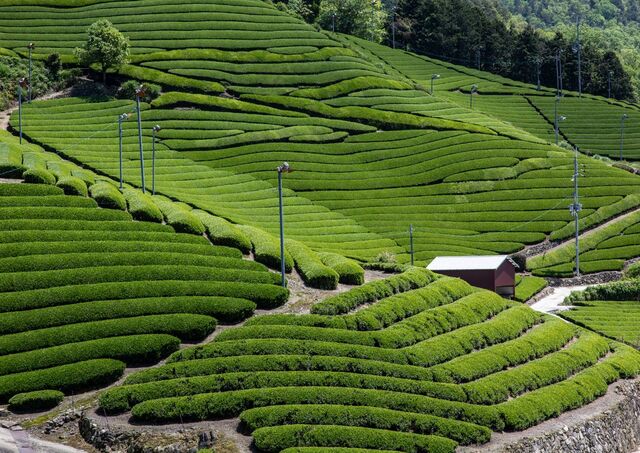
A chipped tea bowl repaired with gold-infused lacquer. An unvarnished bamboo fence aged by exposure to wind and rain. Both of these are examples represent the essence […]
Here at Japanspecialist, we have some experience with tourism in Japan, and we can guess what’s on most of your bucket lists: experiencing a ryokan, the Japanese term […]

If you've ever spent a day walking in the woods and come home feeling refreshed and relaxed, you may have unwittingly experienced the effects of shinrin-yoku, also […]