
Why Travelling to Japan with a Travel Agency Still Makes Sense in the Age of AI

Madrid, Spain
Table of Contents
- Why AI Doesn't Replace Real Experience When Travelling to Japan
- The Problem Isn't Finding Information Anymore – It's Knowing What to Choose
- Japan Can't Always Be Understood Through an English-Language Search
- An AI-Generated Itinerary Can't Respond When Something Goes Wrong
- Behind Every Trip Is a Whole Team, Not Just One Person
- Personalising a Trip Isn't the Same as Filling in a Form
- AI Optimises the Itinerary; An Agency Optimises the Experience
- So Is AI Useless for Planning a Trip to Japan?
- Why Travel to Japan with Japanspecialist
- AI and Agencies Don't Do the Same Job
- Conclusion: AI Can Help You Dream the Trip; An Agency Helps You Live It
- Frequently Asked Questions
Key Takeaways
Here's why travelling to Japan with an agency still makes sense, even now:
- AI can gather information, but it can't always tell you which option is genuinely right for your trip.
- A specialist agency builds itineraries around first-hand experience, not just what's available online.
- Japan demands precise logistics – trains, accommodation, routes, timings, reservations, seasonal quirks.
- A lot of important information is published only in Japanese and never makes it into English search results.
- A travel agency doesn't just create a trip for you; it supports you before, during, and after it.
- Every Japanspecialist itinerary is backed by a whole team, plus JTB, and our local suppliers.
- AI is great for inspiration, but designing the actual trip takes judgement, personalisation, and accountability – things AI can't offer.
Why AI Doesn't Replace Real Experience When Travelling to Japan
When it comes to sheer volume of information, no human can compete with a tool that processes enormous amounts of data on virtually any topic. Still, it's worth explaining how AI actually works.
In simple terms, AI builds its answers from information that already exists – blogs, websites, reviews, forums, map data, popular content. It can combine facts, organise ideas, and spit out suggestions incredibly fast. What it hasn't done is take that trip, stay in that hotel, guide travellers along that route, or know what it's actually like to make a transfer after thirteen hours on a plane.
Ask it for a Japan itinerary and AI will happily stitch one together from what other people and sites have already published. That doesn't mean the route is any good, comfortable, or right for you.
At a travel agency like Japanspecialist, every itinerary is built on decades of real experience. Many of us have travelled extensively in Japan, lived there, or were born there – and the consultants designing your trip aren't working alone. They're drawing on the collective knowledge of the whole team, our suppliers, and our local network.
We know the country well enough to know what works and what's better avoided. That's really the value we add: it's not just knowing which places exist, but knowing when to go, how long to stay, what to pair together, and what to cut, so the trip actually feels comfortable and suited to you.
And maybe the biggest difference of all is knowing when our own knowledge isn't enough. We know a lot about Japan – but we also know how to say "I'm not sure, let me check and get back to you."
AI, on the other hand, tends to give you an answer that sounds confident and complete, whether or not it actually is. Sometimes what it produces looks perfectly coherent but is incomplete, outdated, or just wrong – a phenomenon known as hallucination. A person can recognise when they're not certain, go verify the facts, and take responsibility for the answer they give you.
The Risk of a Convincing but Incomplete Answer
Japan changes constantly, in big cities and quiet corners alike – new openings, closures, renovations, timetable changes, updated booking systems, conditions that shift by season. We're not trying to sound alarmist here, and we use AI ourselves as a tool that makes our day-to-day work easier. What matters is that AI rarely signals how confident – or not – it actually is in its own answer.
If you already know the country and use AI as a support tool, it can genuinely help. But you need enough of a foundation to ask the right questions and dodge planning mistakes like:
- A route that's technically doable but miserable with luggage in tow
- An attraction recommended on a day it's actually closed
- A season that quietly requires booking months ahead
- Timings that are simply too tight to be enjoyable
First-Hand Experience Makes the Difference
Think about situations that anyone who's planned their own trip – with or without AI – will recognise: following a route Google Maps swears is fine, only to find it exhausting in real life; scheduling a visit for the afternoon without realising it's far more beautiful at sunrise; booking a hotel that just doesn't suit the kind of traveller you are.
Here's a concrete example: judging purely by distance on a map, getting from Japan's main island to Hokkaido looks straightforward – but the experience is completely different depending on whether you take the train up through the south of the island or fly straight into the capital. Along the same lines, AI may not recommend a Japan Rail Pass to travellers who would actually need one. Avoiding mistakes like these means understanding the specifics of each traveller's situation and offering the option that genuinely fits.
A good travel agency also gets ahead of the everyday friction points: excess luggage, train transfers, sprawling stations, language barriers, dinner timing, and reservations that are notoriously hard to land.
The Problem Isn't Finding Information Anymore – It's Knowing What to Choose
Information overload is one of the biggest hurdles for first-time travellers. There's no shortage of great blogs, videos, and guides out there – but also outdated tips, wildly personal opinions, and advice that doesn't necessarily apply to you. With so much material feeding into AI, the real challenge isn't access anymore. It's filtering.
Contradictory advice, subjective takes, and an endless multiplication of options with no human judgement behind them are exactly the ingredients that leave people overwhelmed.
A few years ago, the hard part was finding reliable information about a country as far away as Japan. Today, the hard part is knowing what to keep and what to ignore. A great trip isn't built by stacking up destinations – it's built by making the right calls for each type of traveller.
A travel agency's job goes well beyond sending over a standard quote. It means personalising every trip around the number of days available, the pace, the budget, the interests, the season, the travellers' ages, fatigue levels, transfers, and expectations.
A couple's getaway isn't the same as a family holiday in Japan. AI can come up with an itinerary in seconds, but it won't always account for the fact that travelling with kids means building in room for the unexpected, backup plans, and transfers that are actually comfortable. Something as simple as arranging luggage forwarding can completely change how the trip feels.
A Good Itinerary Is Also Built Through What You Leave Out
This might sound like a cliché, but our experience keeps proving it true: sometimes, less really is more. Personalising a trip doesn't mean cramming in everything possible. Often, the best advice we can give as Japan travel specialists is to take something out.
Resisting the urge to squeeze too much into one trip is what turns a decent itinerary into an unforgettable one:
- Don't pack too many cities into too few days
- Watch out for excursions that look close on the map but eat up hours
- Choose wisely among places based on who's travelling
- Add extra nights where they genuinely make a difference
- Don't let the trip turn into a checklist race
We often talk to clients who want to see it all – from the north down to the south – even if that means half the trip is spent in transit. Japan is bigger than a lot of people expect. Focusing on a manageable set of areas, and saving the rest for a future trip, is almost always the smarter move.
One example: we recently had a request built from a list generated by another AI model, which recommended flying into a destination that doesn't even have an airport. Give AI a list of cities and a number of days, and it will happily fit them all in. We could do that too – we just don't. We only recommend itineraries that are actually workable and realistic, because we'd never suggest something to a client that we wouldn't choose for ourselves.
Japan Can't Always Be Understood Through an English-Language Search
Japanese is written using two syllabaries – hiragana and katakana – alongside kanji, characters borrowed from Chinese. Plenty of local sources simply aren't built with an international audience in mind.
AI tools are shaped by how much information exists in a given language, and how visible and well-ranked that information is. Even when they can work in Japanese, most of what these tools have been trained on – and most of the sources they reach for first – sits in English, or other languages with a strong online footprint. The result: AI can easily miss information published only in Japanese, or lean too heavily on sources that are simply the most well-known, not necessarily the most accurate.
On plenty of websites, the Japanese version has far more detail than the English one. And when it comes to booking accommodation, transport, or local experiences, some of the very best options are run by suppliers who communicate mainly – or only – in Japanese. Without intermediate or advanced language skills, they can be genuinely hard to find.
The same goes for rules, notices, timetable changes, or restrictions, which are usually published in Japanese first. This is exactly why having local suppliers who can share timely, tailored information is such a real advantage for a travel agency.
The Most Popular Option Isn't Always the Right One
One side effect of relying on top search results is that AI tends to reinforce the same handful of routes everyone already follows. Arashiyama, Nara, teamLab, Hakone – these are wonderful places, and often well worth a visit.
But "right for you" aren't the same thing. A family with young kids, a honeymooning couple, someone on their third or fourth trip, or a traveller chasing a quieter, less obvious side of Japan will each need something different.
A family with small children may need a gentler pace. A honeymoon couple might want more distinctive hotels and experiences. A returning traveller may be ready to move past the classic route. A food-focused traveller needs a completely different set of recommendations. And senior travellers often benefit from fewer hotel changes and easier transfers.
An AI-Generated Itinerary Can't Respond When Something Goes Wrong
For us, a trip doesn't end once the itinerary is finalised – that's really just the starting point. The actual journey begins the moment you land, and that's when delays happen, timetables change, questions about transfers come up, plans get cancelled, misunderstandings crop up, or genuine emergencies strike.
AI can suggest what you might do when something goes sideways. What it can't do is call a supplier, change a booking, reach a local team, or step into a real situation and fix it.
At Japanspecialist, we're with you before, during, and after the trip. Before you leave, we send documentation covering the basics of Japanese culture and local etiquette, plus detailed notes on each destination and each planned visit – everything you need before setting off.
Once you're there, we offer 24-hour emergency support if anything unexpected comes up. From our end, we're also keeping an eye on news, potential incidents, and weather forecasts that could affect your trip, so we can reach out proactively if needed.
In May 2026, a couple travelling around Kyushu by private car booked their trip with us. While they were in Kagoshima, a powerful typhoon hit, grounding both ferries and flights. Managing the situation from our office, we found them an alternative that kept them safe without derailing the trip.
Instead of continuing south as planned, we suggested they head north by car towards Nagasaki. Since their original itinerary had included beach time and Okinawa was now off the table, we arranged them a hotel with an infinity pool so they could still unwind. This wasn't a one-off – unexpected situations come up more often than you'd think, and we work through them as they happen, always with the traveller's interests front and centre.
Peace of Mind Is Part of the Journey Too
Making sure you travel with real peace of mind is one of our core goals. We know people come to us to plan a trip to Japan for all sorts of reasons. Our role is to be your main point of contact, help you navigate a country whose language you do not speak, and handle the operational side of things – so that when you come home, all you have to tell us is that it was unforgettable.
Behind Every Trip Is a Whole Team, Not Just One Person
You'll usually have a single consultant as your main point of contact, but there's an entire team standing behind them – people who genuinely live and breathe Japan. That means shared knowledge, operational know-how, trusted suppliers, local contacts, and more than a decade of average accumulated experience.
Japanspecialist is part of JTB, one of the most prominent Japanese travel companies founded in 1912. Our strong local and professional presence in Japan means we can work with suppliers, accommodation providers, guides, transport operators, and experience hosts on a level no individual planning could match.
The Difference Between a Recommendation and a Relationship
Want to know what else really sets us apart from AI? Artificial intelligence makes recommendations based on information. A travel agency works through real relationships. We know which suppliers genuinely excel at each type of service, we've personally stayed in many of the properties we recommend, we know first-hand how good our excursions are, we factor in feedback from past travellers, and we adjust routes based on things that have actually happened before.
Sometimes incidents happen that neither we nor our clients can control. They're rare, but their impact can often be softened – or avoided entirely – with a few smart adjustments to the itinerary.
Personalising a Trip Isn't the Same as Filling in a Form
Building a bespoke itinerary takes more than an AI tool asking you to fill in dates, budget, interests, and travel style. To get it right, we need to actually interpret what travellers are telling us.
Sometimes someone says they want to see as much of Japan as possible, when what they really need is to visit somewhere really unique, that will leave a mark on them. Other times they say they want to experience traditional Japan, when a relaxed trip with a particular ryokan, or cultural workshops and experiences would suit them best.
And sometimes someone wants to save money – but there are specific parts of the trip where spending a bit more genuinely elevates the experience. It might be worth booking a more affordable, well-located hotel, while putting extra budget toward a night at a ryokan, a standout activity, or a transfer that saves half a day of travel.
An Agency Doesn't Just Ask Questions – It Knows How to Read the Answers
AI can ask you whether it's your first trip to Japan, what pace you prefer, or what your main interests are. The real difference isn't in asking the right questions – it's in understanding what the answers actually mean, and how they should shape the trip.
Here are some of the questions we typically ask, and they can completely reshape an itinerary:
- Do you prefer moving between cities often, or settling into fewer places for longer?
- Are you especially drawn to culture, food, nature, anime, design, history, or wellness?
- Are you travelling with children, older relatives, or anyone with specific dietary needs?
- Do crowds bother you?
- Do you want complete freedom, or would you rather have some experiences booked ahead of time?
The answers are rarely as simple as they sound. Initially, someone might say they want to see everything, but during the consultation, it turns out that need a slower pace. They might ask for authentic, non-touristy places without being entirely sure what that means for them. Or they might say they want total freedom, but actually feel more at ease once certain transfers or visits are already sorted.
In conversation, a consultant can pick up on these contradictions, sense concerns the traveller hasn't quite put into words yet, and ask follow-up questions based on tone, hesitation, and context. They can also help travellers prioritise, even when those priorities aren't fully formed yet.
Human experience is also what makes it possible to explain the real consequences of each choice: how long a transfer actually takes, what it means to switch hotels every night, or whether a route is simply too ambitious.
Getting to that level of understanding takes trust. Travellers need to feel comfortable talking openly about worries, limitations, budget, and real expectations. From there, the consultant isn't just proposing an itinerary – they're taking responsibility for recommending what they genuinely believe is right for that person.
The more detail we have, the easier it is to get things right. But you don't need to write us an essay – just clear answers and an honest conversation about what you expect, what matters most, and where your limits are.
AI Optimises the Itinerary; An Agency Optimises the Experience
Don't be won over by an AI itinerary that looks beautifully organised on paper but doesn't necessarily feel good to actually live through. Optimising a trip isn't just about cutting transfer times – the emotional rhythm of the journey matters just as much. That means balancing busy days with quieter ones, weaving in special nights and memorable moments, and leaving enough breathing room to explore at your own pace.
Sometimes the best day of a trip isn't the one packed with the most sights – it's the one that leaves space to slow down, sit in a café, wander back to the hotel, or stumble on a street that never showed up on any map.
Japan Is Best Enjoyed with Rhythm and Context
The advantage of working with specialists is that we think about the trip as a whole experience, not a string of dots on a map. In practice, that means:
- Not stacking temple and sight visits back-to-back with no context
- Blending city life, nature, food, and genuine downtime
- Leaving room to wander through neighbourhoods, shops, cafés, and gardens
- Choosing experiences that help you understand Japanese culture, not just photograph it
So Is AI Useless for Planning a Trip to Japan?
Not at all – AI is a great starting point, though even we wouldn't rely on it alone to plan a trip. It's genuinely useful for inspiration: organising early ideas, surfacing questions you hadn't thought to ask, even comparing different travel styles.
Before your first conversation with us, you can use AI to get ahead of the questions we're likely to ask. If it's your first time heading to Japan and you don't want to walk into that conversation from a standing start, AI can quickly bring you up to speed on things like the country's main regions, climate differences, and cultural basics.
That said, the final design, the bookings, the logistical double-checking, and the on-the-ground support all need a professional behind them. Plenty of people have travelled to Japan and put together their own itineraries – that doesn't mean they have the expertise to design every kind of trip for every kind of traveller. It's not as simple as dreaming up a route. Getting a trip to run smoothly, with minimal room for error, takes a lot more than that.
While you're at it, try asking AI to search for "best travel agencies for a trip to Japan" – chances are, you'll find us there too.
The Best Combination: AI for Inspiration, Specialists for the Design
Without question, the smartest approach is to use AI to imagine your ideal trip – and let us turn that idea into a realistic, personalised itinerary, carefully planned down to the last detail.
Done right, a trip to Japan is so much more than a holiday. It's a project shaped by the thrill of discovering a culture so rich and so different from our own that the experiences it offers simply can't be recreated anywhere else.
It's a chance to see some of the most beautiful landscapes on earth, visit UNESCO World Heritage sites alongside places barely anyone talks about, explore cities full of skyscrapers, dive into activities for every interest imaginable, and stay in places that feel like a different era entirely.
We know this trip is too important to hand off to just anyone. That's why we treat every request as if we were introducing someone close to us to a country that captivated us the moment we first arrived.
Why Travel to Japan with Japanspecialist
As the name suggests, Japan is all we do. For years, we've been designing tailor-made trips to Japan for individuals and groups alike. Our team knows the country inside out, backed by real first-hand experience and the knowledge of our trusted partners.
We're also backed by the JTB Group, a Japanese travel company with more than 110 years of history. Having that local support and access to quality suppliers doesn't just benefit your trip – it's what gives us the confidence to keep doing what we do.
If you want to experience Japan in a way that feels more authentic, more comfortable, and more personal, all it takes is reaching out to one of our consultants. We'll shape the trip around your dates, interests, budget, pace, and expectations.
Who Benefits Most from Travelling with an Agency?
We're happy to work with all kinds of requests, but here are the travellers we most often help:
- First-time visitors to Japan
- Couples, including honeymooners
- Families
- Senior travellers
- Anyone wanting a multi-city itinerary
- Travellers short on time for planning
- Anyone visiting during peak season – sakura, autumn, or special events
- Travellers chasing specific special experiences
AI and Agencies Don't Do the Same Job
Here are the main differences:
- AI can inspire you; an agency turns that inspiration into a workable trip.
- AI can give you ideas; an agency knows which ones actually suit you.
- AI can suggest routes; an agency checks the timings, bookings, accommodation, and transfers.
- AI can answer questions; an agency has your back if something changes mid-trip.
- AI works with information; an agency works with experience, people, and accountability.
Our Clients Say It Best:
"Thanks to their support and their knowledge of the country, we were able to travel by ourselves and at our own pace, but without any extra worries. The trip went from strength to strength from the very beginning. An incredible country with organisation that deserves a 10."
- Anna, Japanspecialist traveller, via Google Reviews
"I travelled to Japan with this agency and from the very first day the service was perfect. They answered all our questions before the trip and, during our stay, the organisation was impeccable. The team treated the whole group incredibly well and showed great ability in resolving the small unforeseen issues that came up. I will definitely repeat the experience with them."
- Miguel, Japanspecialist traveller, via Google Reviews
Every trip leaves us with new stories – and, above all, the satisfaction of knowing travellers trusted us to show them a more authentic side of Japan.
Want to read more from other travellers? You'll find all our client reviews on Trustpilot.
This article also reflects our own connection to Japan: some of us know it because we were born there, others because we've lived there, and others because we've travelled through it again and again – and learned that even after many trips, Japan always has something new to show you.
Conclusion: AI Can Help You Dream the Trip; An Agency Helps You Live It
AI can hand you a route in seconds, but a trip to Japan isn't measured by how fast it comes together – it's measured by how it's actually lived. In a destination this fascinating and this complex, travelling with specialists still makes sense, because they bring judgement, reassurance, personalisation, and real human support.
Already dreaming up your next trip to Japan? Share it with our specialists, and we'll help turn it into a realistic, tailor-made itinerary for a trip you won't forget.
Frequently Asked Questions
Is it better to plan a trip to Japan with AI or with an agency?
AI is genuinely useful for inspiration and shaping your first ideas, but a specialist agency brings real experience, logistical checks, personalisation, and on-the-ground support. Usually, the smartest approach is to combine both: use AI as a starting point, and let specialists turn those ideas into a workable, well-organised trip.
Can AI create a personalised itinerary for Japan?
Yes, it can put together an initial proposal based on your dates, interests, and budget. What it often misses are the practical details: a realistic pace, comfortable transfers, reservations, language barriers, availability, seasonal quirks, and unexpected events. That's why any AI-built itinerary is worth reviewing with a destination expert.
What does a Japan-specialist travel agency offer that AI can't?
Human judgement, real destination experience, supplier relationships, local support, in-trip assistance, and the ability to actually fix problems when they come up. An agency doesn't just recommend places – it designs a full experience and takes responsibility for making sure the trip works.
Why is Japan such a complex destination to plan?
Japan combines huge cities, quiet rural areas, transport systems that are incredibly efficient but not always intuitive, cultural differences, language barriers, traditional accommodation, etiquette to navigate, and peak seasons to plan around. Good planning means you get to actually enjoy the trip instead of troubleshooting it.
Does AI always recommend the best places in Japan?
Not necessarily. AI tends to lean on whatever's most visible and popular online, which can lead to the same handful of recommendations over and over. A specialist agency can tell you whether those spots actually suit your trip – or whether there's a better alternative based on what you're actually after.
Does it make sense to use AI before contacting Japanspecialist?
Absolutely. Use it to get inspired, put together a wish list, or work out roughly what kind of trip you would like. From there, our specialists can help you organise those ideas, figure out what's realistic, and build a tailor-made itinerary around them.
When does travelling to Japan with an agency make the biggest difference?
It's especially worthwhile if it's your first trip, you're travelling in peak season, you want to cover several cities, you're short on time to plan it all yourself, you're after a honeymoon or special occasion trip, you're travelling as a family, or you simply want professional support before and during the journey.
Plan your trip with us
Get in touch with one of our travel consultants, they are ready to help you create the trip you always dreamed of.
Online Consultation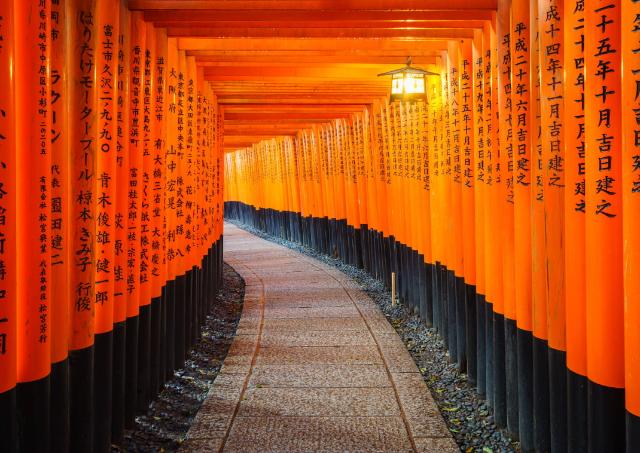
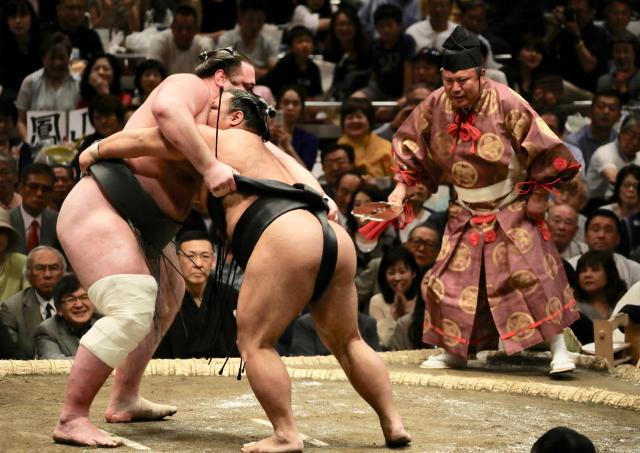
Not one, not two… but five Guinness World Records for sumo celebrity Hakuho.
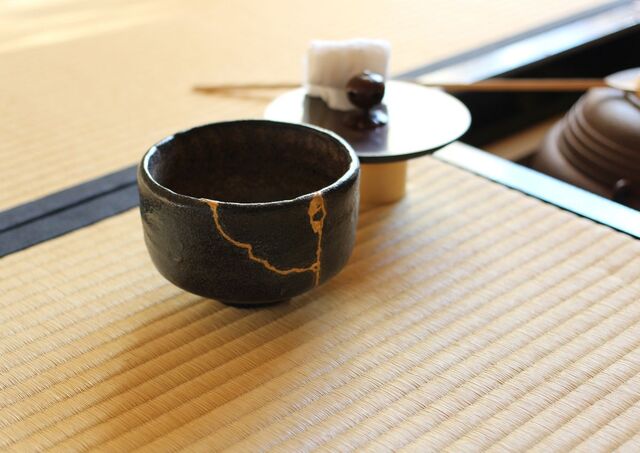
Kintsugi (金継ぎ), meaning "golden joinery" is the Japanese art of repairing broken pottery by mending the areas of breakage with urushi lacquer mixed with powdered […]

Starting 1 November 2026, Japan’s iconic tax-free shopping system will undergo its biggest change since its inception. Instead of receiving an instant discount at […]