
Walking the Kumano Kodo: A Spiritual Journey Across Japan’s Sacred Pilgrimage Route
Few long-distance walks in the world blend history, spirituality, and nature as seamlessly as the Kumano Kodo, a network of ancient pilgrimage routes on Japan’s Kii Peninsula. Recognised as a UNESCO World Heritage Site since 2004, the Kumano Kodo remains one of only two pilgrimage routes in the world.
Table of Contents
- A Journey Through Shrines and Mountains
- Understanding the Kumano Kodo
- Kumano Kodo’s Main Sites
- Hidden Places Worth Visiting
- Choosing the Right Route for You
- Must-Try Experiences Along the Kumano Kodo
- Practical Tips to Make the Most of Your Experience
- Frequently Asked Questions
Key Takeaways
The Kumano Kodo is one of only two UNESCO-listed pilgrimage routes in the world, sharing this distinction with Spain’s Camino de Santiago. Here are the most important things to know about it:
- The pilgrimage consists of several historic routes, with the Nakahechi Route offering the best experience for most first-time visitors.
- The heart of the journey is the Kumano Sanzan (three sites), Kumano Hongu Taisha, Kumano Nachi Taisha, and Kumano Hayatama Taisha, which have welcomed pilgrims for over 1,000 years.
- The lesser-known sites such as Yunomine Onsen, Kamikura-jinja, Hosshinmon-oji, and Tsugizakura-oji often provide some of the most memorable experiences.
- Walking the Kumano Kodo is about more than hiking. The journey combines ancient history, sacred traditions, mountain landscapes, and authentic rural hospitality.
- Spring and autumn offer the best walking conditions, while summer brings lush scenery but high humidity and frequent rainfall.
- Accommodation should be booked well in advance, especially during peak seasons, as the region’s small family-run inns have limited capacity.
- Walkers should pack for changing mountain weather, including comfortable hiking shoes, waterproof clothing, cash, and offline maps.
A Journey Through Shrines and Mountains
For international travellers and hikers drawn to a slower, more meaningful side of Japan, whether you are planning your first pilgrimage, travelling solo, or looking for a culturally rich multi-day walk, the Kumano Kodo offers a journey through mountain landscapes, historic shrines, and rural communities that still welcome walkers with genuine hospitality. Set on the Kii Peninsula in Wakayama Prefecture, it is also surprisingly easy to reach from Osaka, Kyoto, or Mount Koya.
This guide breaks down the main hiking routes and shrine sites, shares lesser-known stops, and covers tips like traditional lodgings, seasonal timing, preparation, and practical travel advice so you can best plan your experience.
Understanding the Kumano Kodo
The Kumano Kodo is not a single trail but a network of pilgrimage routes leading to the Kumano Sanzan, the Three Grand Shrines of Kumano: Kumano Hongu Taisha, Kumano Nachi Taisha, and Kumano Hayatama Taisha.
For over a millennium, pilgrims believed that traversing the rugged mountains symbolised death and renewal, with each shrine representing another step towards purification. During Japan’s Heian Period (794–1185), retired emperors famously made repeated pilgrimages here, accompanied by enormous entourages of hundreds of retainers, priests, and servants. The routes became known as the “Imperial Pilgrimage Roads,” elevating Kumano into one of Japan’s foremost centres of mountain worship.
Unlike many Shinto sites elsewhere in Japan, Kumano has long embodied the fusion of Shinto and Buddhism, known as shinbutsu shugo. Although the Meiji government’s separation of the two religions in the late nineteenth century altered many temples and shrines, traces of this shared spiritual heritage remain visible throughout the region.
Kumano Kodo’s Main Sites
Let’s have a look at the main sites of Kumano Kodo – the Kumano Sanzan, the Three Grand Shrines of Kumano.
The Sacred Heart: Kumano Hongu Taisha
For many pilgrims, Kumano Hongu Taisha Grand Shrine is one of the region’s central sacred sites and marks the journey’s spiritual culmination.
Set within towering cedar forests along the Kii Peninsula’s sacred mountain range, the shrine exudes a quiet grandeur, with its striking dark, wooden architecture and gold embellishments contrasting with the surrounding natural landscape. The massive cypress-bark roofs, white gravel courtyards, and ancient trees create an atmosphere of calm that rewards visiting hikers.
Many visitors overlook one of the area’s most fascinating sites: Oyunohara, the original location of Kumano Hongu Taisha. After devastating floods in 1889 destroyed much of the shrine complex, it was relocated uphill to its present location. Today, Oyunohara is marked by one of the world’s largest torii gates, standing nearly 34 metres tall, above vast rice terraces. While the giant torii is impressive, the true significance lies in the tranquil riverside clearing beyond it, where pilgrims have worshipped for centuries.
If possible, visit Oyunohara early in the morning before tour buses arrive. The mist rising from the river often creates an atmosphere remarkably similar to old woodblock prints depicting Kumano.
Kumano Nachi Taisha and Japan’s Most Iconic Waterfall
No image represents Kumano more than Nachi Falls cascading beside the vermilion pagoda of Seiganto-ji Temple, one of Kumano’s best-known natural wonders. Standing 133 metres high, Nachi Falls is Japan’s tallest uninterrupted waterfall and has been worshipped long before formal shrine buildings were constructed. In ancient belief, the waterfall itself was the sacred object, with the surrounding forest regarded as the dwelling place of the gods.
Many visitors rush directly to the famous pagoda viewpoint before leaving. However, spending time at the waterfall’s base offers a deeper appreciation of its spiritual importance. A small platform allows visitors to receive purified water from the waterfall, continuing a centuries-old tradition.
An often-overlooked detail is the Daimonzaka section of the trail leading to Nachi. This beautifully preserved cobblestone path, lined with towering cedar trees, offers perhaps the finest introduction to the Kumano pilgrimage as a whole. Walking this section transforms the arrival at Nachi into something genuinely memorable.
Kumano Hayatama Taisha
Located in Shingu near the mouth of the Kumano River, Kumano Hayatama Taisha differs markedly from the mountain shrines. Its vibrant vermilion buildings contrast beautifully with the surrounding greenery, while the shrine’s sacred nagi tree is estimated to be around a thousand years old. Pilgrims traditionally carried leaves from this tree as protective talismans during their journeys.
Many visitors overlook nearby Kamikura-jinja, perched atop Mount Gongen. Reaching the shrine requires climbing more than 500 steep stone steps, but the effort is richly rewarded. The enormous sacred boulder known as Gotobiki-iwa is believed to be where the Kumano deities first descended to earth.
Although physically demanding, visiting Kamikura-jinja provides one of the strongest connections to Kumano’s earliest spiritual traditions.
While the Three Grand Shrines are rightly famous, some of Kumano’s greatest rewards lie elsewhere.
Hidden Places Worth Visiting
While the Three Grand Shrines are undoubtedly the highlights of Kumano Kodo, there are plenty of lesser-known sites worth visiting in the area, where you can experience the real countryside of Wakayama.
Tsugizakura-oji Shrine
This small subsidiary shrine, located along the Nakahechi Route, is surrounded by centuries-old cedar trees, several of which are estimated to be over 800 years old. The atmosphere here feels almost untouched by modern tourism, especially during early morning walks.
Chikatsuyu Town
This small town along the Nakahechi Route has served pilgrims for centuries and remains one of the best overnight stops. Rather than simply passing through, spend time exploring its small museums and riverside walking paths. Many family-run inns here have hosted pilgrims for generations, and conversations with local owners often become memorable trip highlights.
Hosshinmon-oji Shrine
Traditionally regarded as the symbolic entrance to Kumano Hongu Taisha’s sacred precincts, Hosshinmon-oji marks the point where pilgrims prepared mentally before approaching Hongu. Even today, many walkers pause here for quiet reflection before completing the final section.
Yunomine Onsen
Few places embody Kumano’s pilgrimage traditions better than Yunomine Onsen. This tiny hot spring village has welcomed pilgrims for over 1,800 years and is considered one of Japan’s oldest onsen settlements. Pilgrims traditionally purified themselves here before worshipping at Hongu.
The UNESCO-listed Tsuboyu bath deserves special attention. This tiny stone bathhouse is one of the very few hot springs recognised as part of a World Heritage Site. Reservations aren’t necessary, but expect queues during weekends and holidays.
Equally worthwhile is the public cooking area where visitors boil eggs, vegetables, and sweet potatoes using naturally emerging hot spring water, a tradition locals continue today.
Kawayu Onsen
A short distance from Yunomine lies Kawayu Onsen, where visitors can create their own riverside hot spring baths directly into the gravel along the Oto River.
Winter is particularly magical when the enormous Sennin-buro outdoor bath appears along the river between December and February. Unlike purpose-built baths elsewhere in Japan, this experience feels wonderfully connected to nature.
Choosing the Right Route for You
With five pilgrimage routes spanning over 300 kilometres, it’s important to choose a route depending on how many days you’d like to hike, and your preferred hiking difficulty.
Nakahechi Route
The Nakahechi Route (130 kilometres in total) is by far the most popular and offers the classic Kumano Kodo experience. Beginning near Tanabe on the west coast, it winds through forested mountain passes, quiet farming villages, and historic pilgrimage lodgings before reaching Kumano Hongu Taisha, and for many walkers it is the main route through the network.
For first-time visitors, this route provides the best combination of accessibility, historical landmarks, and overnight accommodation. Overnight stays at family-run lodges are common along this popular route, and walkers can choose from a mix of traditional and modern accommodations. Daily distances are manageable, and luggage transfer services make multi-day walks considerably easier.
Kohechi Route
Connecting Mount Koya with Kumano Hongu Taisha, the Kohechi Route (75 kilometres in total) is considerably more demanding. Long mountain climbs, steep descents, and fewer accommodation options make it better suited to experienced hikers. However, those seeking solitude often consider it the most rewarding route.
Iseji Route
Running along the eastern coast from Ise Grand Shrine towards Kumano, the Iseji Route (170 kilometres in total) combines mountain trails with picturesque fishing villages, dramatic coastlines, and remarkably preserved stone paths. It remains surprisingly uncrowded compared to the Nakahechi.
Ohechi Route
The southern coastal Ohechi Route (120 kilometres in total) once attracted pilgrims seeking magnificent ocean scenery along a rugged coastline. While portions have disappeared beneath modern roads, restored sections still offer rewarding walks with sweeping Pacific views and relatively few visitors.
Omine Okugakemichi Route
A rugged, ancient route traditionally used by Shugendo ascetics and monks, Omine Okugakemichi (95 kilometres in total), it is the hardest route of all, passing mountain passes of 1,900 metres elevation. It starts at Yoshino, Nara Prefecture, and finishes at Kumano Hongu Taisha.
Must-Try Experiences Along the Kumano Kodo
Beyond the shrines and the scenery, there are a few experiences that shape how the pilgrimage feels on the ground. Here is how to enjoy the Kumano Kodo’s famous hospitality and observe the customs that have been part of the walk for centuries.
Staying in Traditional Lodging
One of the biggest misconceptions is that visitors must complete the entire Kumano Kodo. Present-day travellers typically walk selected sections over two to five days. This presents the perfect opportunity for visitors to stay a night or two in family-operated minshuku and ryokan, many of which continue to serve pilgrims as they have for centuries. Owners frequently provide weather updates, hiking advice, and even handwritten maps highlighting lesser-known viewpoints.
Meals often feature locally sourced mountain vegetables, river fish, homemade pickles, and regional specialities including mehari-zushi, rice wrapped in pickled mustard leaves that originated as a convenient meal for mountain workers.
Accommodation along the route is limited, however, and making reservations several months ahead is strongly recommended during spring and autumn, particularly if travelling during Japan’s Golden Week or autumn foliage season.
Pilgrimage Customs and Etiquette
Although many visitors approach the Kumano Kodo as a hiking holiday, it remains an active place of worship. Visitors should speak quietly within shrine grounds, avoid blocking worshippers while taking photographs, and refrain from flying drones unless explicitly permitted.
At shrine entrances, bow once before passing through the torii gate. Walking slightly to one side of the path rather than directly down the centre shows respect, as the middle is traditionally regarded as the path of the deities.
Purification at the temizuya remains customary, a spot to rinse your hands. Rinse the left hand first, then the right, pour water into the left hand to rinse the mouth (without touching the ladle), and finally rinse the ladle handle before returning it.
Many pilgrims also collect shrine stamps (goshuin) in dedicated books called goshuincho. These beautiful handwritten seals are considered sacred records rather than souvenirs, so treat them respectfully.
Practical Tips to Make the Most of Your Experience
A little planning goes a long way on the Kumano Kodo, where the terrain, weather, and services can differ from what many travellers are used to. These practical tips cover how to get there, what to bring, when to go, and how to pace your walk.
How to Get to the Kumano Kodo
The Kumano Kodo lies on the Kii Peninsula in Wakayama Prefecture, and Osaka is the most convenient gateway. Trains take you to the edge of the mountains, and local buses cover the final stretch to the trailheads. Buses run far less often than trains, so it’s worth checking timetables before you travel.
For the Nakahechi Route, take a JR limited express from Osaka to Kii-Tanabe, which takes around two hours. From there, a local bus takes about 35 minutes to Takijiri-oji, the traditional starting point of the walk. Buses also run from Kii-Tanabe to Kumano Hongu Taisha, a journey of roughly two hours, which is useful if you want to walk just the final section.
To reach Kumano Nachi Taisha and Kumano Hayatama Taisha, continue along the coast by train to Kii-Katsuura or Shingu (about 1 hour 40 minutes by limited express train). Kii-Katsuura is the closest station for Nachi Falls, with buses running to the Daimonzaka trailhead, taking 25 minutes.
The other routes start from different points. The Kohechi Route begins in Mount Koya, reached from Osaka on the Nankai line in about 2 hours. The Iseji Route starts at Ise Grand Shrine in Mie Prefecture, and the Omine Okugakemichi Route begins in Yoshino, Nara Prefecture. Because the walks end in different places from where they start, many travellers use bus connections and luggage transfer services to get back to their base.
What to Pack
The Kumano Kodo rarely requires technical hiking equipment, but thoughtful preparation greatly improves the experience. Comfortable, broken-in hiking shoes or lightweight boots are essential, especially on the many sections with uneven, stony steps that become extremely slippery after rain.
Outerwear that is lightweight and waterproof is also indispensable year-round, as the Kii Peninsula receives some of Japan’s highest annual rainfall, and the weather can change rapidly here, even during summer.
Packing sufficient drinking water and small snacks is equally worthwhile, particularly as there won’t be many convenience stores and vending machines around, and many local shops may close early or be unavailable between settlements. Additionally, bringing physical cash for all payments that can’t be made in advance is super important, as many guesthouses, cafes, and local shops throughout Kumano remain cash-only.
Although mobile phone coverage has improved considerably in recent years, it remains inconsistent in deeper valleys. Bringing either a physical map or downloading an offline map on your digital devices is also a gamechanger.
Best Times to Hike
Spring and autumn offer the most comfortable conditions. Late March through May brings fresh greenery, flowering cherry trees in lower elevations, and mild temperatures ideal for long-distance walking. October and November showcase vibrant autumn colours, crisp mountain air, and excellent hiking conditions.
Summer is lush and atmospheric but hot, humid, and prone to heavy rainfall. Leeches occasionally appear on forest trails after prolonged rain, particularly during June and July. Long trousers and insect repellent minimise any inconvenience.
Winter offers quiet trails and wonderfully clear mountain views, although higher elevations can experience snow and icy conditions.
We also recommend starting your days here early, as forest trails are noticeably quieter before 9:00 am, wildlife is more active, and arriving at accommodations earlier in the afternoon allows time to enjoy local hot springs before dinner.
Pacing Your Trip
Finally, we recommend resisting the temptation to treat the Kumano Kodo as a hiking challenge to complete as quickly as possible. The route reveals its greatest rewards when travellers slow down, take in the sights during the day, and spend evenings in the company of locals.
Don’t rush through the oji shrines, the dozens of smaller subsidiary shrines scattered along the pilgrimage routes. Many visitors barely notice them, yet they were historically important places where pilgrims rested and prayed between the major shrines.
Long after the final shrine has been visited and the last mountain pass crossed, these quieter moments often become the memories that remain strongest. The Kumano Kodo has never been only about reaching a destination. For more than a thousand years, its enduring significance has come from the journey itself, and for modern travellers willing to embrace its slower rhythm, that remains just as true today.
Frequently Asked Questions
How long does it take to walk the Kumano Kodo?
It depends on which route you choose. Most visitors spend two to five days walking sections of the popular Nakahechi Route, while completing longer routes, such as the Kohechi or Iseji, can take a week or more. Many travellers also choose to hike just a single day if they’re short on time.
Which Kumano Kodo route is best for first-time visitors?
The Nakahechi Route is generally considered the best choice. It is well maintained, offers plenty of accommodation, passes many important historical sites, and ends at Kumano Hongu Taisha, making it the classic Kumano pilgrimage experience.
Is the Kumano Kodo difficult to hike?
Most sections require a moderate level of fitness rather than technical hiking experience. Expect frequent ascents and descents, uneven stone paths, tree roots, and long staircases. While challenging in places, the route is accessible to most reasonably active travellers who are prepared for several hours of walking each day.
Can beginners walk the Kumano Kodo?
Yes. Many first-time hikers successfully complete sections of the pilgrimage each year. Choosing shorter daily distances, wearing proper footwear, and staying in villages along the route make the walk achievable for most people with a reasonable level of fitness.
Can I combine the Kumano Kodo with other destinations?
Absolutely. Many travellers pair the Kumano Kodo with Koyasan, Osaka, Kyoto, Nara, or the nearby hot spring towns of the Kii Peninsula. The pilgrimage is easily incorporated into a broader Kansai itinerary.
Plan your trip with us
Get in touch with one of our travel consultants, they are ready to help you create the trip you always dreamed of.
Online Consultation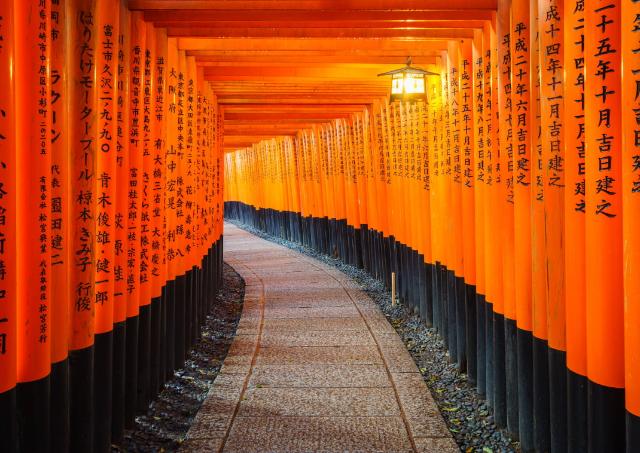

The name Kobe may forever be associated primarily with basketball and beef, but the real Kobe is a city that goes far beyond these superficial ties. Before becoming […]

When considering a trip to Japan, staying connected with loved ones through messaging and social media, as well as using your phone for navigation, is crucial. The […]

Many people wonder whether it is worth travelling to Japan if they only have a few days. After taking my 14-year-old daughter to Tokyo for five nights, my answer is […]